
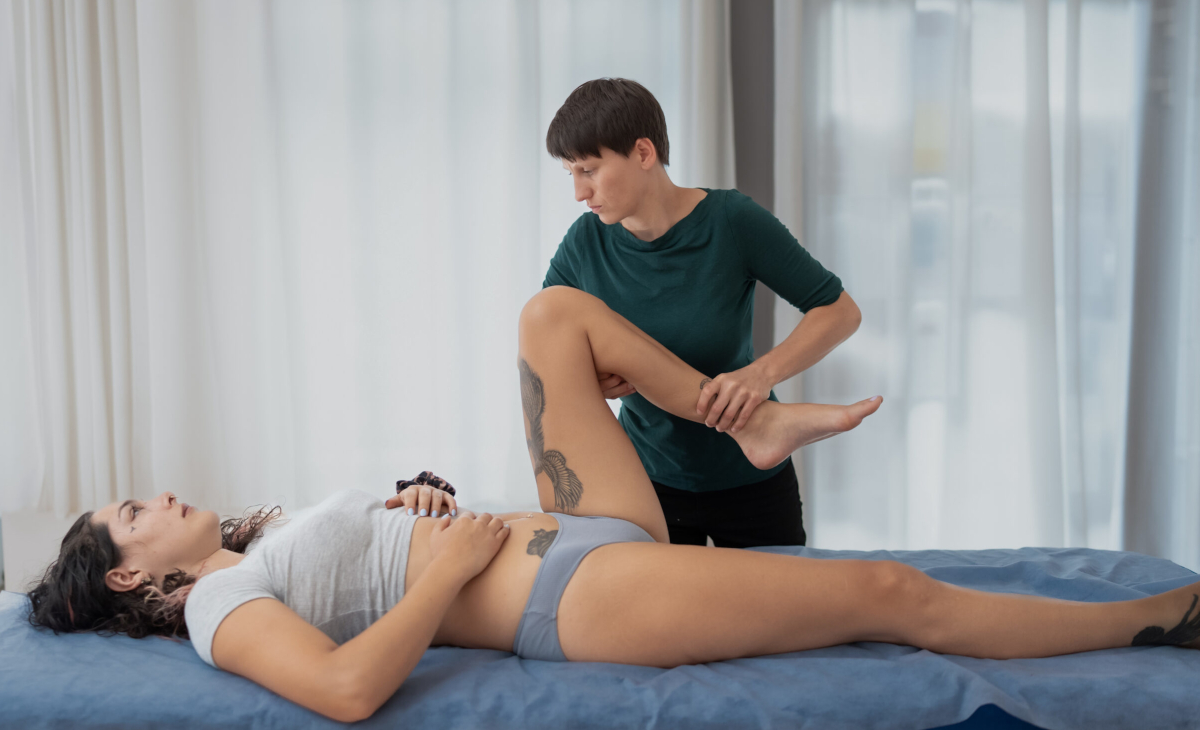
Osteopathy, with its history of almost 130 years, takes a holistic approach that sees the body as a functional unit. It is influenced both by internal processes and external factors. The aim of treatment is to identify the causes of movement restrictions and complaints.
Through treatment, the body's self-regulation is strengthened, mobility is improved, and overall well-being is enhanced.
Our body has an impressive capacity for adaptation. Tensions or restrictions can often be compensated for a long time and therefore frequently go unnoticed. However, when this capacity for adaptation is exhausted, even small stresses, everyday movements, or emotional challenges can lead to pain or complaints.
Areas of Osteopathy
Osteopathy is based on three fundamental areas that flow into one another during treatment:
Parietal Osteopathy
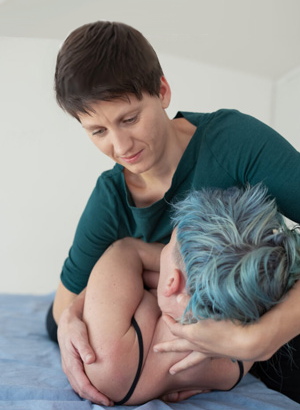
Here the musculoskeletal system is the focus. I examine the interplay of joints, capsule-ligament structures, muscles, and fascia through detailed movement analyses and orthopaedic tests.
When changes in tension or range of motion occur, other structures compensate in order to maintain optimal body function.
When the body's capacity for adaptation and compensation is exhausted, complaints can arise. The cause is often found at a location other than where the pain is felt.
Visceral Osteopathy
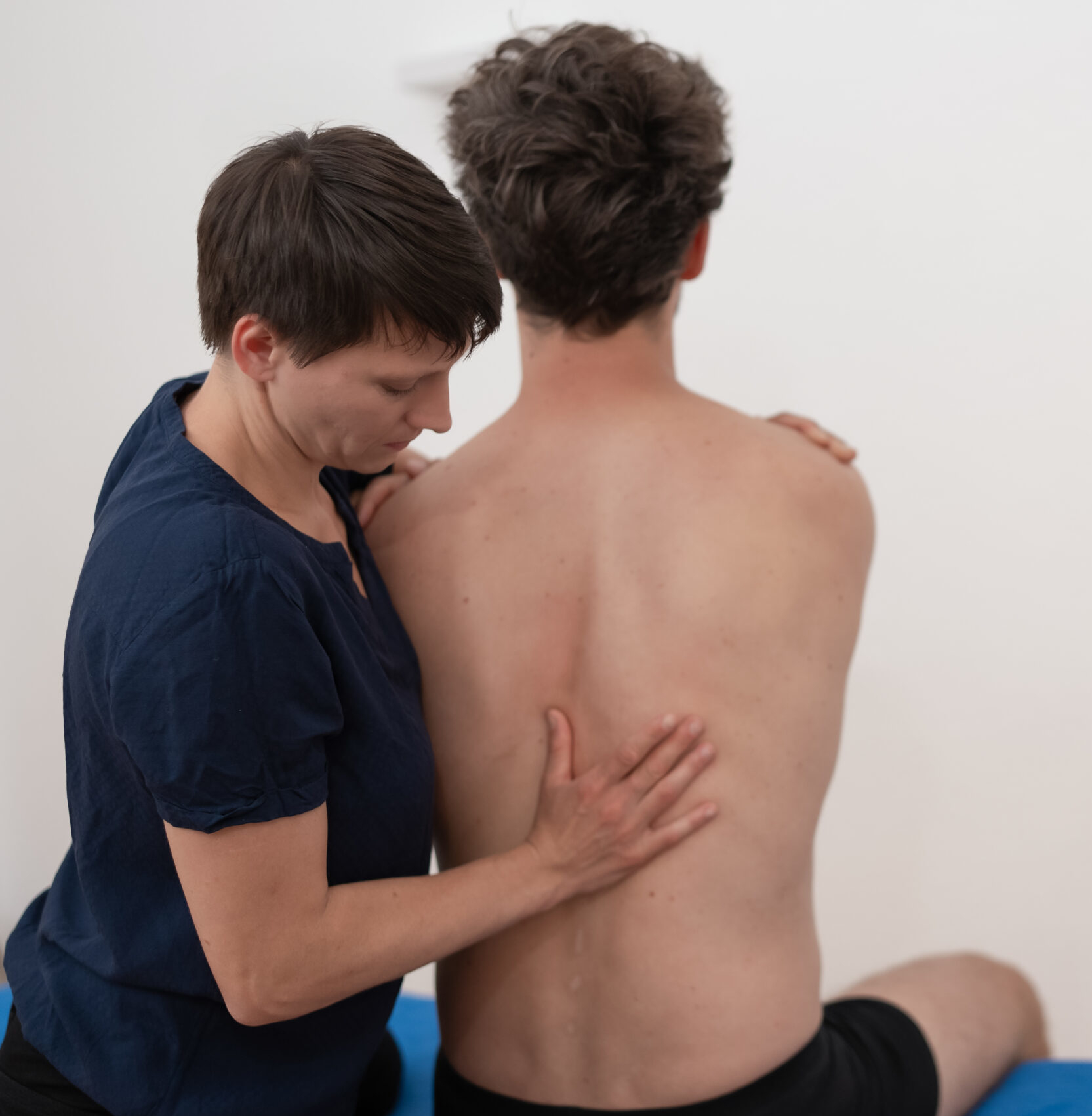
The visceral area of osteopathy deals with the internal organs (Latin: viscera = organ), as well as their functions and movements.
Organs require optimal movement and supply.
After pathological or mechanical changes such as inflammation, surgery, or injury, tension develops in and around organs, leading to movement restrictions throughout the body.
Through gentle techniques, tensions are released, the organs are supported, and the connections to surrounding tissues are harmonised. The mobility and functionality of the organs improves.
Cranio-Sacral Osteopathy
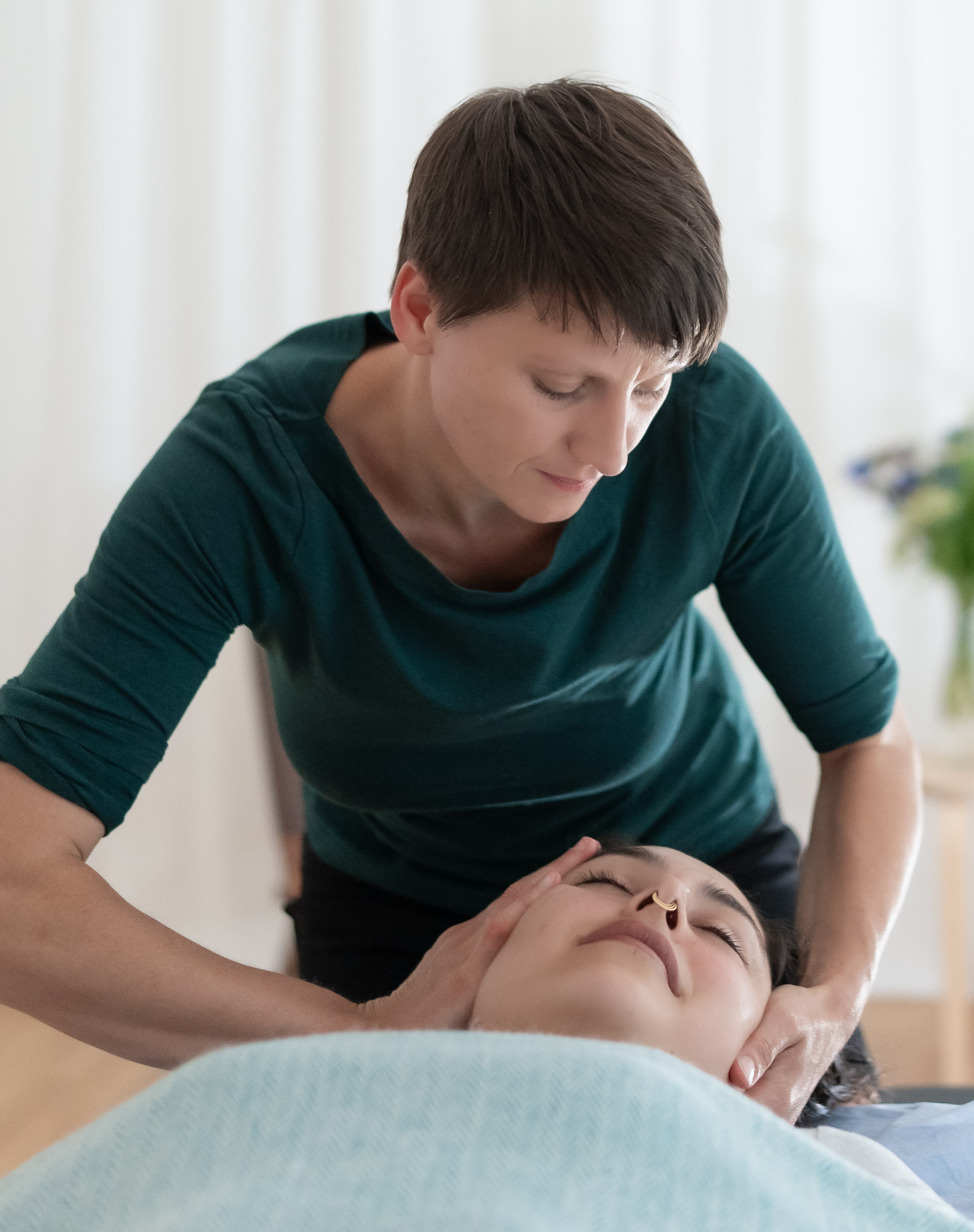
This refers to the area of osteopathy that deals, among other things, with the skull (Latin: cranium) and the sacrum (Latin: sacrum). Through gentle, targeted techniques in the area of the head, spine, and sacrum, the mobility of the skull bones, the circulation of the cerebrospinal fluid, and the tension relationships throughout the connective tissue are supported.
The goal is to promote the balance of the nervous system and to release tensions. This can have a positive influence on complaints such as headaches, muscle tension, sleep problems, or stress symptoms.
Treatment
Indications for osteopathic treatment
Osteopathic medicine serves as a therapy for a wide range of acute and chronic complaints or functional restrictions, and can also be used preventively.
The goal of treatment is to identify connections and causes, to resolve blockages, and to relieve pain. The body's self-healing powers are to be activated.
Whether osteopathy is used as a standalone treatment or in conjunction with medical care depends on the individual clinical picture.
Musculoskeletal restrictions
This refers to pain or conditions affecting the musculoskeletal system. Treatment is possible for both acute injuries, such as those sustained during sport, and for recurring or chronic complaints.
These include:
- Back pain
- Tension and muscle pain
- Herniated disc
- Sciatica
- Misalignments and blockages
- Joint pain
- Tendon inflammation (e.g. tennis elbow) or joint inflammation (e.g. frozen shoulder)
- Jaw pain, CMD
For musculoskeletal problems or after sports injuries, I am happy to use Dry Needling.
In Dry Needling, fine acupuncture needles are precisely inserted into myofascial trigger points in order to release muscular tension and regulate pain perception. It helps to restore muscle balance and regenerate tissue.
Areas of application include, among others, acute and chronic back pain, neck and shoulder complaints, as well as muscular imbalances and movement restrictions.
Complaints related to the nervous system
The causes of nerve problems often lie in the musculoskeletal system, such as blockages or tension. Osteopathy can specifically support the nervous system — relieving pressure on nerves, improving nerve conduction, and promoting the connections between the brain, spinal cord, and body.
It is applied for symptoms such as:
- Headaches
- Migraine
- Tinnitus
- Sleep disorders
- Restlessness
Careful differential diagnosis is important to me. Where necessary, I refer patients to physicians for further clarification.
Organ problems
Scarring and movement restrictions can impair organ function. Laboratory analyses and imaging procedures are also taken into account in the assessment.
Osteopathic techniques are used, among other things, for:
- Digestive complaints, irritable bowel syndrome
- Heartburn
- Breathing difficulties
- After inflammation such as cystitis
- Urinary incontinence
- After surgery
- Menstrual complaints
- Endometriosis
Limitations of Osteopathy
My task as an osteopath is to carefully determine whether contraindications for osteopathic treatment are present, or whether medical and imaging examinations are first required.
The limitations of osteopathy lie with serious conditions or structural damage to body systems, such as:
- Acute infections
- Cancer
- Severe neurological conditions
- Severe psychiatric conditions
In some cases, treatment can nonetheless be used in a supportive role, in consultation with the treating physicians.
Course of a Treatment
Osteopathic treatment is not limited to treating individual symptoms or a disease, but sees the person as a whole. In osteopathic treatment, pain and complaints are reduced in the long term by resolving restrictions and dysfunctions.
The first treatment begins with a detailed case history.
Information is gathered about the current situation, previous illnesses, general well-being, surgeries, and medication. Patients can ask questions and express their wishes.
This will take somewhat more time in the first session. However, a comprehensive picture of a person's individual overall state provides an important foundation for my further treatment.
This is followed by a full-body examination, in which I gain a first impression of the body, its movements, and its functions. The aim is to identify tension patterns and compensations. This examination is very important, as complaints can pass through complex tension patterns into other regions of the body.
Based on the case history and examination, a differential diagnosis is made and the indication or contraindication for osteopathic treatment is established.
Before the treatment begins, the treatment strategy is established and the further procedure is discussed.
The osteopathic treatment is carried out with the hands. Through trained, precise palpation of tensions and changes, conclusions can be drawn about the state and health of the tissue.
The examination and treatment take place in underwear. If this feels uncomfortable, I ask that you bring loose-fitting clothing.